

Overview
A restoration project that depends on an outside team to keep protecting it rarely survives past the end of the funding that built it. Community ownership is what determines whether restoration lasts for years or only for a planting season.
Support a ProgrammeWhy Community Ownership Matters in Long-Term Ecosystem Restoration
Mangroves, seagrass meadows and forest catchments all take years to recover, and they can be undone quickly by cutting, trawling, pollution or neglect. Whether protection continues after a project’s activities end usually comes down to one question: do local people see the ecosystem as theirs to protect?
community restoration
Building Ownership Into the Design:
- Ownership Built In, Not Added Afterward
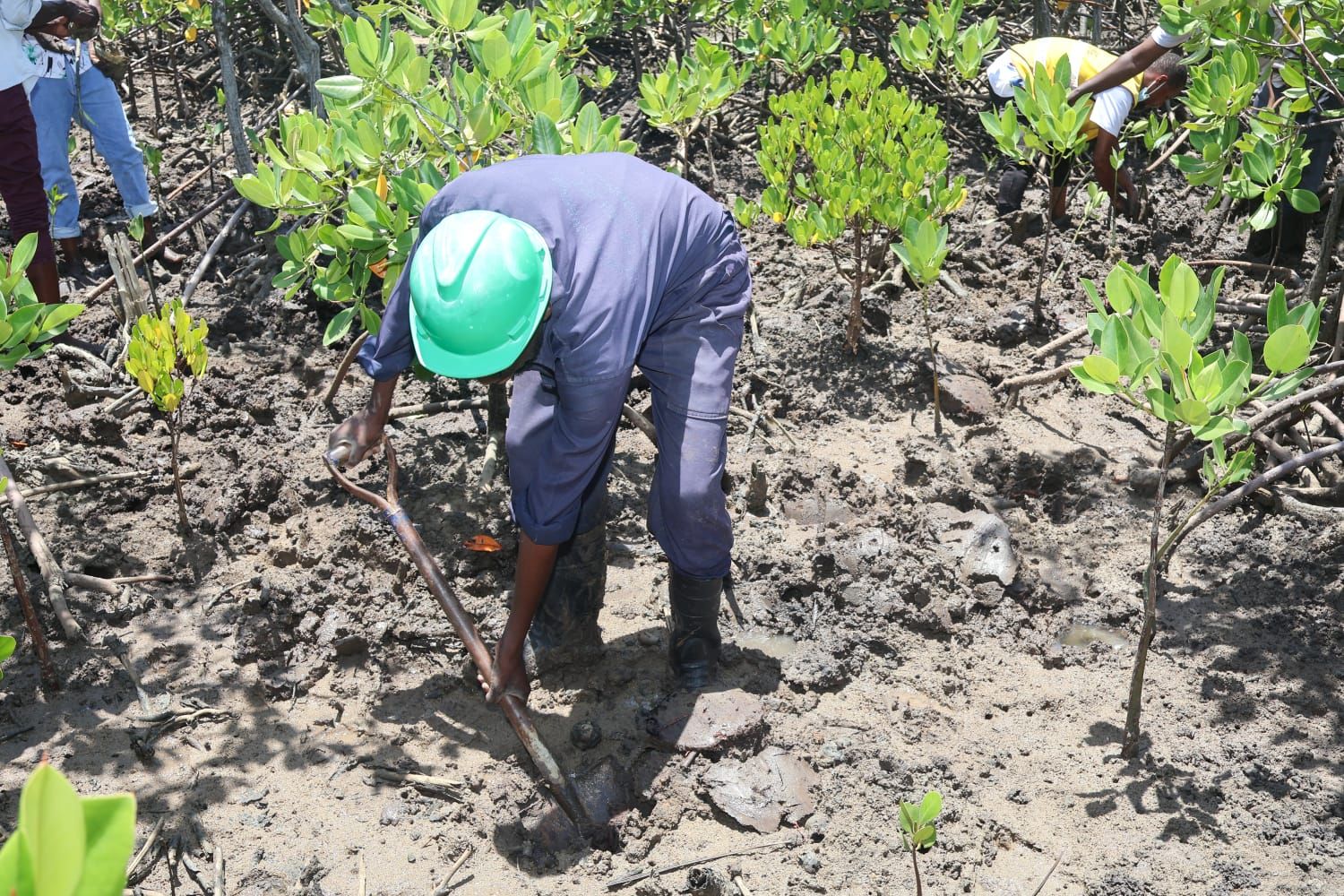
When local people are involved in decisions about site selection, nursery management, planting and monitoring from the start, they hold real information, real roles and a real stake in what happens to the site afterward.
- The Evidence From Kenya's Own Coast
Gazi Bay’s Mikoko Pamoja project has sustained its mangrove restoration and protection work for over a decade under this exact model, becoming the world’s first verified community-led blue carbon project in the process.
- A Decade of Durability
Its durability is the clearest argument available for why community ownership, not external management, is the model worth building on.
- Twende's Principle
This is the principle behind every one of Twende’s restoration programmes: restoration designed and delivered with the communities who steward the land and coastline, from site selection through long-term monitoring.